


Effective drugs for the treatment of prostatitis are sold in all pharmacy chains.Looking at the wide range of drugs, consumers' eyes widen.Since each drug has its own pharmacological actions, the selection of a therapeutic agent in each individual case should be carried out by a specialist doctor.The specialist not only selects the drug, but also prescribes an individual dosage regimen with recommended treatment.
Definition of prostatitis disease
Prostatitis is a pathological inflammation of the male glandular organ (prostate).The disease is very common, especially among the stronger sex after 45 years.Today, doctors say that the prostate is susceptible to inflammation in the younger generation.This is due to poor lifestyle, ignorance of health conditions, addiction to alcohol, nicotine, drugs and poor diet.
Most men do not notice the first symptoms of prostatitis, which leads to a more prolonged nature of the pathology.Over time, patients try to hide from problems of a sexual nature, but the disease does not stand still, but develops and becomes chronic.Chronic prostatitis is more difficult to cure;it takes longer and costs more.
Effective drugs for prostatitis presented in pharmacies are available over the counter, have an affordable price, and their effectiveness has been proven by medical research, reviews of doctors and patients.
Almost all men with prostatitis are looking for effective drugs that can eliminate the disease forever.There are many medications available, but only a doctor can tell you which is the most effective remedy to use.Prescriptions are carried out on an individual basis, because if the same medicine can cure one patient, it will not bring any positive dynamics to another man.
To select a treatment regimen and select medications, you must undergo examinations and tests.Based on the collected medical history, the age category of the patient, individual characteristics of the body and the severity of the disease, an effective treatment regimen is selected.
Types of medications recommended for the treatment of prostatitis
Which remedy is the most effective?The most effective remedies are those selected individually by the attending physician.
Medicines are available in different forms:
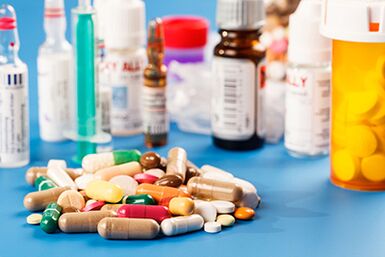
- Tablet and capsule form - tablets have a dense consistency, the capsule shell contains a powdery composition, both types of drugs are intended for internal use before, before or after meals.Some medications need to be taken with plenty of fluids.
- Injectable solutions – using injections allows medications to enter the body instantly.For example, muscle relaxants are used to weaken muscle tissue in the bladder, urethral canal, and perineum.
- Suppositories - act locally, destroy bacteria, relieve pain, eliminate inflammation.Suppositories are introduced into the rectum with the patient lying down;after administration, the patient should lie down for half an hour until the drug is completely absorbed into the mucous layers.The duration of treatment varies from 7 to 12 days.
- Instillations are prescribed for prostatitis in order to deliver the drug to the affected area through the urethral canal, which allows you to relieve the worrying symptoms.
- Microenemas are an effective treatment for emerging prostatitis;Treatment relies on administering the medication to the affected area through the urethral canal to relieve the symptoms of the disease.Enemas are performed with decoctions of medicinal herbs that help relieve inflammation.Most often, this treatment refers to an alternative therapy used at home.
Before prescribing a treatment regimen, the specialist makes a diagnosis and prescribes tests.Treatment is prescribed taking into account the severity of the disease and the stage of neglect.The treatment of prostatitis does not have the same approach.
The choice of medications varies depending on the following factors:
- chronic or acute pathology of the patient;
- bacterial or abacterial disease;
- the type of pathogen that causes prostate inflammation;
- personal characteristics of the patient's body.
Pharmacology of drugs
Effective drugs belong to different groups.
Antibacterial group
The effective composition is aimed at eliminating the infection that caused the appearance of the disease.Recommended use in cases where the pathology is infectious in nature.The antibacterial group includes 3 subgroups: penicillin, fluoroquinol, tetracycline.
In a word, all these drugs are called antibiotics.Most often, specialists prescribe an antibiotic with a wide spectrum of effects.There are also antibiotic suppositories with immediate effect through the anal canal.Such dosage forms are aimed at relieving pain while providing an antibacterial effect.
Alpha blockers
This group of medications aims to relax the muscles of the prostate, making it easier for the patient to flow urine.They contribute to the complete suppression of the activity of symptoms of the central nervous system, which cause uncontrolled compression of smooth muscles inside the organs.Drugs in this subgroup only stop the sympathetic influence of the central nervous system on the prostate.
Alpha blockers do not treat prostatitis itself, but only eliminate the unpleasant symptoms caused by the disease, namely acute or chronic urinary retention.
Non-steroidal drugs
These are muscle relaxants used to relieve pain.Non-steroids help reduce muscle tone, improve microcirculation and stimulate the excretion of prostate juice.
Nonsteroids have anti-inflammatory and antispasmodic effectiveness, which eliminates inflammation.
Hormonal therapy
Medicines containing hormones are prescribed to relieve swelling and regulate the process of urinary excretion.
Phytotherapy
Medicinal plants are produced based on natural ingredients of natural origin.Medicinal plants cope well with inflammatory processes, relieve swelling, reduce pain and eliminate discomfort.
High interchangeability and compatibility allow different groups of drugs to quickly cope with the disease.
Vitamin complex
Urologists prescribe vitamin complexes to strengthen the immune system, sensitive to the negative effects of prostatitis.In chronic pathology, the protective functions of the body are significantly weakened, which negatively affects the duration of treatment of patients.That is why the complex diet contains additional medications in the form of vitamins.
What are the treatment regimens, what is the difference?
Treatment of prostatitis is then effective when the cause of the pathological process is identified.When treating inflammation of the prostate of a bacterial nature occurring against the background of an infection, antibiotics are prescribed.The choice of a specific drug is carried out after laboratory tests, during which the sensitivity of the pathogen to the active components of drugs is revealed.
Tetracycline antibiotics and fluoroquinolones are the most effective in eliminating bacterial prostatitis.
For a medication to treat viral prostatitis, it must be antiviral.The inflammatory process and pain in the organ are relieved by nonsteroidal anti-inflammatory drugs.These drugs lower temperature, relieve swelling and inflammation.
Review of some effective drugs
Some of the most effective medications are particularly popular.However, it is not recommended to take medications without consulting a specialist.
Important!Medical treatment of the prostate begins with an examination and consultation with a urologist.Treatment is prescribed after taking a history to determine the stage of the existing disease.Unauthorized selection of medications in the form of antibiotics or hormonal drugs negatively affects the general condition of a man, aggravating the existing disease.
Other medications prescribed for prostatitis and other pathologies of the urinary and genital region
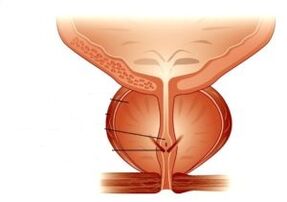
Some medications for prostate inflammation can also be prescribed for other conditions:
- adenoma;
- dysplasia;
- Cancer.
The active substances of these drugs have an organotropic effect, which helps to reduce swelling of the prostate and leukocyte infiltration of the organ.Thanks to the effectiveness of these drugs, it is possible to normalize the secretory functionality of the cellular epithelium and prevent thrombosis.
This group of drugs is aimed at eliminating and preventing relapses of inflammation of the prostate and other pathological processes in the genitourinary region.